YES Elementary

Engineering Safety Vests

Upper Elementary Waves Energy In Classrooms

Students engineer vests that incorporate an electric communication system to increase users' safety in a busy intersection.

unit Overview

Students use the Engineering Design Process to design a vest that will increase users’ (pedestrians, cyclists, and skateboarders) safety in a busy intersection. Students apply what they learn about electrical circuits and communication systems to design a vest that communicates information to other travelers.

  • 9 engineering lessons
  • 45-60 minutes per lesson
  • Computer science module: Signal Bracelets
  • Student materials available in Spanish

Standards Alignment

YES units align with state and national science standards, integrating seamlessly with popular elementary science curricula.

unit Resources

Digital Resources (FREE)

YES provides these materials free of charge! Use the link below to download resources from our Google Drive.

Download Resources
Purchase Materials
Educator Guide Pack - $69
  • Full-color print educator guide, plus multiple sets of heavy-duty reusable color-print resources (ex. vocabulary cards, materials glossaries, station signs, and student instructions) for the class.
Materials Kit - $379
  • Hands-on materials to support 30 learners.
Add To Cart

Unit Map

Students are introduced to engineering by designing a model bench for people waiting at a bus stop. They learn about the Engineering Design Process as they reflect on how they solved the problem.

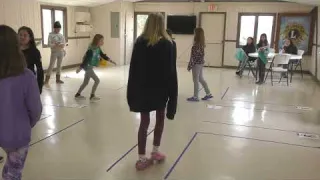
Students begin reading a comic about a dangerous traffic intersection. They model travelers through an intersection to learn about the impact of communication on safety.

Students send and receive messages using shapes, colors, and symbols to establish the importance of a shared communication system.

Students build circuits and consider how the energy flows to power a light. They incorporate switches to turn the light on and off.

Students independently imagine ideas for their safety vests. They work with a partner to plan one safety vest design.

Students create their safety vests and troubleshoot the circuits to make sure they function reliably.

Students test their safety vests in front of the class. They collect and analyze data on how well their peers understood the signals in their designs.

Students identify aspects of their safety vests to improve. They make adjustments and test their improved designs.

Students write a report to a fictional electrical engineering company describing their final design recommendations.

Teacher Preparation Videos

Play Video
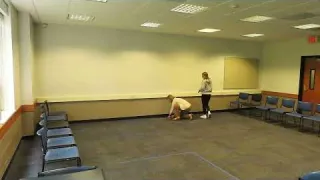
Lesson 2 Preparation: Model Intersection
Play Video
Lesson 2 Preparation: Example of Model Intersection, First Round
Play Video
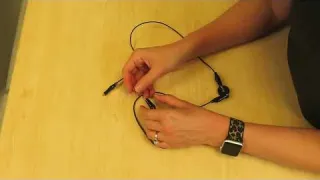
Lesson 4 Preparation: Test a Circuit
Play Video
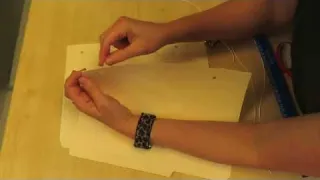
Lesson 5 Preparation: Vest Base
Play Video
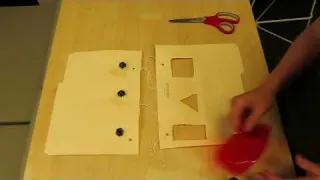
Lesson 6 Preparation: Create a Vest
Play Video
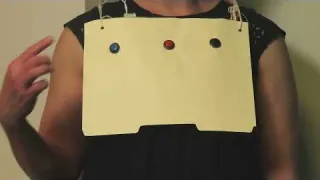
Lesson 6 Preparation: Wearing a Safety Vest Demonstration

Computer Science

Signal Bracelets

Extend learning with this computer science module designed to be taught after Engineering Safety Vests. In these three lessons, students design a signal bracelet as a smaller, lightweight alternative to a safety vest and explore programming micro:bits.

  • 3 lessons
  • 45 minutes each
  • This module uses BBC micro:bits (not included in the Materials Kit)

Computer Science Modules

YES Computer Science modules engage K-8 students in computational thinking by framing computer science through the authentic context of engineering design. Students experience how engineers use computational tools to increase efficiency and accuracy, using low-cost devices such as micro:bits, or free web-based tools such as Teachable Machine and MATLAB interactives from MathWorks. The modules encourage students to decompose and investigate algorithms to recognize their social context, benefits, and potential limitations.