YES Enrichment
Engineering Rescue Shuttles
Upper Elementary
Motion & Stability
Camps/STEM Classes
Youth design a shuttle to land a rope near a person who needs a rescue.


unit Overview
Youth use the Engineering Design Process to design a rescue shuttle that lands near a person who needs a water rescue. Youth investigate how different variables (length, material, weight, fins) affect a shuttle’s flight distance.
- 9 activities (5 core, 4 optional)
- 45–60 minutes per activity
- Youth materials available in Spanish
Standards Alignment
YES Enrichment units connect with state and national standards.
unit Resources
Digital Resources (FREE)
YES provides these materials free of charge! Use the link below to download resources from our Google Drive.
Download ResourcesPurchase Materials
Educator Guide Pack -
$69
- Full-color print educator guide, plus multiple sets of heavy-duty reusable color-print resources (ex. vocabulary cards, materials glossaries, station signs, and student instructions) for the class.
Materials Kit -
$279
- Hands-on materials to support 30 learners.
Unit Map
Youth engineer a school supply case and learn about the Engineering Design Process, a 5-phase problem-solving tool.
Youth are introduced to the rescue workers’ problem, model shuttles, and launchers. They explore how shuttle length and material affect flight distance.
Youth explore how fins, weights, and weight placement affect flight distance.
Youth imagine, plan, and create a rescue shuttle that lands in an assigned target rescue zone.
Youth test and improve their rescue shuttles.
Youth design a bag that attaches to the user to keep its contents dry during a water rescue simulation.
Youth use what they know about rescue shuttle design to engineer another aeronautical technology—a glider.
Youth learn careers and people who design and/or use aeronautical or rescue technologies.
Youth present their rescue shuttles and share their process with guests.
Educator Preparation Videos
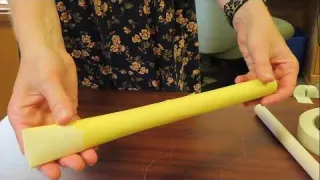

Activity 2: Model Shuttle
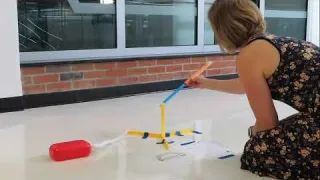
Activity 2: Shuttle Launch
Activity A: Station A
Activity A: Station B
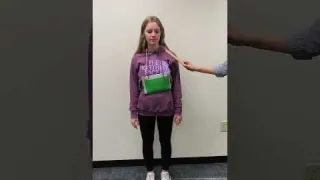
Activity A: Station C
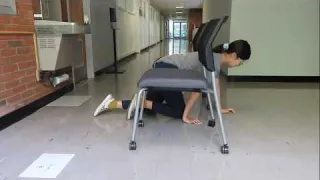
Activity A: Station D
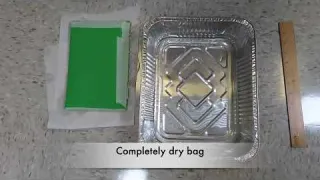
Activity A: Station E
Our funders
Major support for this project has been provided by the National Science Foundation.