YES Elementary
Engineering Pumpkin Pollinators
Lower Elementary
Matter
Ecosystems
In Classrooms
After learning about pollinators and their importance, students engineer hand pollinators that move pollen from one pumpkin flower to another.
unit Overview
Students use the Engineering Design Process to design a hand pollinator to move pollen from one flower to another. Students learn about why pollination is important, investigate how bees pollinate flowers, and test tip and handle materials.
- 9 lessons
- 45-60 minutes per lesson
- Student materials available in Spanish
Standards Alignment
YES units align with state and national science standards, integrating seamlessly with popular elementary science curricula.
unit Resources
Digital Resources (FREE)
YES provides these materials free of charge! Use the link below to download resources from our Google Drive.
Download ResourcesPurchase Materials
Educator Guide Pack -
$69
- Full-color print educator guide, plus multiple sets of heavy-duty reusable color-print resources (ex. vocabulary cards, materials glossaries, station signs, and student instructions) for the class.
Materials Kit -
$149
- Hands-on materials to support 24 learners.
Unit Map
Students are introduced to engineering by designing a model bench for people waiting at a bus stop.
Students read a story about two friends struggling to grow pumpkins. They complete a puzzle to learn that fruits cannot grow without pollinators.
Students act as flowers and bees in a game to learn how as the bee population in a hive decreases, fewer flowers are pollinated.
Students consider the features of pumpkin flowers and the needs of various pollinators to understand that bees are the best pollinators for pumpkins.
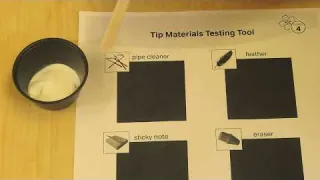
Students test materials to determine which might work well for the tips and handles of their hand pollinators.
Students independently imagine ideas for their hand pollinators. They work with a partner to plan one hand pollinator design.
Students create their hand pollinators and test how well their designs pick up and drop off pollen.
Students identify aspects of their hand pollinators to improve. They make adjustments and test their improved designs.
Students share their designs with their peers and reflect on their engineering work.
Teacher Preparation Videos

Lesson 3 Preparation: Pollination Station Game
Lesson 4 Preparation: Model Flower
Videos for Students
Lesson 5: Test Tip Materials