YES Elementary

Engineering Plastic Filters

Upper Elementary Ecosystems Earth’s Systems Earth and Human Activity In Classrooms

Students consider the effects of plastics on the marine ecosystem and community as they engineer filters to reduce plastic waste entering the ocean.

unit Overview

Students use the Engineering Design Process to design a plastic filter to reduce the amount of plastic waste that enters a bay from a river. Students apply what they learn about plastic to design a filter that meets the needs of various community members.

  • 9 engineering lessons
  • 45-60 minutes per lesson
  • Computer science module: Photo Classification
  • Student materials available in Spanish

Standards Alignment

YES units align with state and national science standards, integrating seamlessly with popular elementary science curricula.

unit Resources

Digital Resources (FREE)

YES provides these materials free of charge! Use the link below to download resources from our Google Drive.

Download Resources
Purchase Materials
Educator Guide Pack - $69
  • Full-color print educator guide, plus multiple sets of heavy-duty reusable color-print resources (ex. vocabulary cards, materials glossaries, station signs, and student instructions) for the class.
Materials Kit - $279
  • Hands-on materials to support 30 learners.
Add To Cart

Unit Map

Students are introduced to engineering by designing a model bench for people waiting at a bus stop. They learn about the Engineering Design Process as they reflect on how they solved the problem.

Students begin reading a comic about the plastic pollution problem in Mobile Bay. They consider how the problem impacts the community groups in the story and hunt for plastic pollutants around their school grounds.

Students sort cards to learn how plastics break down in the ocean and how these pollutants affect marine life and the food chain.

Students compare the properties of plastic and non-plastic materials to their functions in everyday items. They watch a video to observe how plastic pollutants can move about the environment.

Students explore the properties of various materials to determine which might work well in their plastic filters.

Students independently imagine ideas for their plastic filters. They work with a partner to plan one plastic filter design.

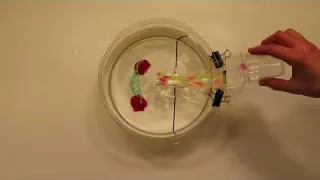
Students create their plastic filters and test how well their designs meet the criteria and constraints.

Students identify aspects of their plastic filters to improve. They make adjustments and test their improved designs.

Students share their designs with their peers through a gallery walk and reflect on their environmental engineering work.

Teacher Preparation Videos

Play Video
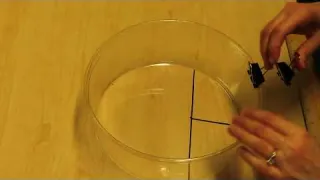
Lesson 3: Prepare the Model Bay
Play Video
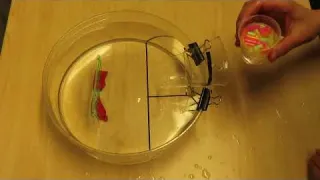
Lesson 7: Test Filter

Videos for Students

Play Video
Lesson 3: Prepare the Model Bay
Play Video
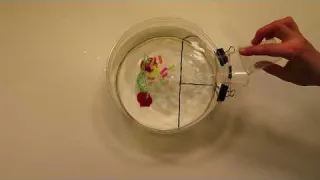
Lesson 6: Model River, Regular Flow
Play Video
Lesson 6: Model River, Storm Event
Play Video
Lesson 7: Test Filter

Computer Science

Photo Classification

Extend learning with this computer science module designed to be taught after Engineering Plastic Filters. In these three lessons, to determine if a fictional creek is in need of a plastic filter, students improve a machine learning model to more accurately classify objects in photographs of the creek as either animals or trash. 

  • 3 lessons
  • 45 minutes each
  • This module uses Teachable Machine.

Computer Science Modules

YES Computer Science modules engage K-8 students in computational thinking by framing computer science through the authentic context of engineering design. Students experience how engineers use computational tools to increase efficiency and accuracy, using low-cost devices such as micro:bits, or free web-based tools such as Teachable Machine and MATLAB interactives from MathWorks. The modules encourage students to decompose and investigate algorithms to recognize their social context, benefits, and potential limitations.