YES Elementary
Engineering Nightlights
Lower Elementary
Waves
In Classrooms
Students investigate how materials interact with light as they engineer nightlights that meet user preferences and communicate a message.
unit Overview
Students use the Engineering Design Process to design a nightlight that provides different amounts of light for two people sharing a room. Additionally, the nightlight must communicate whether or not it is a school day. Students experience that we need light to see, investigate how materials interact with light, and explore methods for communicating with light.
- 9 lessons
- 45-60 minutes per lesson
- Student materials available in Spanish
Standards Alignment
YES units align with state and national science standards, integrating seamlessly with popular elementary science curricula.
unit Resources
Digital Resources (FREE)
YES provides these materials free of charge! Use the link below to download resources from our Google Drive.
Download ResourcesPurchase Materials
Educator Guide Pack -
$69
- Full-color print educator guide, plus multiple sets of heavy-duty reusable color-print resources (ex. vocabulary cards, materials glossaries, station signs, and student instructions) for the class.
Materials Kit -
$209
- Hands-on materials to support 24 learners.
Unit Map
Students are introduced to engineering by designing a model bench for people waiting at a bus stop.
Students read a story about two cousins who share a room but prefer different amounts of light when they sleep. They explore a dark box to learn that objects can only be seen if they are illuminated by light.
Students explore transparent, translucent, and opaque materials to learn about the ways materials interact with light.
Students test the materials they may use in their nightlights to determine how much light they let through.
Students independently imagine ideas for their nightlights. They work with a partner to plan one nightlight design.
Students create their nightlights and test how well their designs let the desired amount of light through.
Students identify aspects of their nightlights to improve. They make adjustments and test their improved designs.
Students learn ways to communicate using light and create a school reminder for their nightlights.
Students share their designs with their peers and reflect on their engineering work.
Teacher Preparation Videos
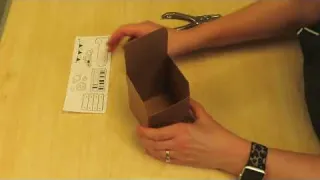

Lesson 2 Preparation: Yazmin's Bedroom
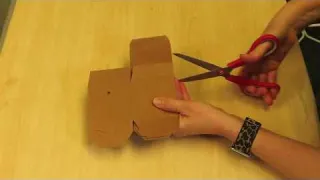
Lesson 3 Preparation: Opaque Box
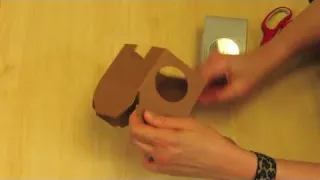
Lesson 4 Preparation: Nightlight Base
Videos for Students
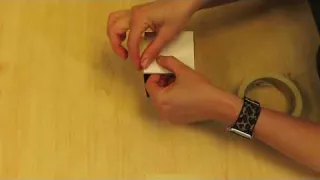
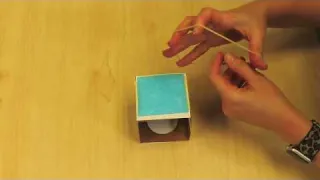
Lesson 6: Attach Materials to the Nightlight Base